The Convergence Zone
Most towns have one thing going for them geographically. A coastal town has the ocean. A mountain town has the peaks. A lake town has the water. Northern Idaho's Coeur d'Alene–Post Falls corridor has all of it — and the map explains why.
Sitting at the western edge of the Northern Rocky Mountains, where the Rathdrum Prairie meets the Bitterroot Range, this region occupies a rare convergence zone. To the east: rugged mountain wilderness. To the west: the rolling Palouse and Spokane metro access. To the north: deep glacial lakes and the Selkirk Mountains. To the south: the St. Joe and Coeur d'Alene River valleys.
This isn't an accident of luck — it's a geographic jackpot.
What the Geography Gives You
Mountain Access
The Coeur d'Alene corridor is flanked by multiple mountain ranges:
- Coeur d'Alene Mountains — Directly to the east, these peaks top out around 6,000 feet and are laced with Forest Service roads, trails, and ski areas.
- Selkirk Mountains — To the north, the Selkirks are wilder, steeper, and home to grizzly bears, caribou, and some of the most remote backcountry in the Lower 48.
- Bitterroot Mountains — The Idaho-Montana border range offers dramatic alpine terrain, legendary passes, and the historic Route of the Hiawatha.
- Cabinet Mountains — Just northeast, this wilderness area offers rugged peaks, alpine lakes, and serious solitude.
Lake Country
Within the 60-minute radius, you have access to some of the most spectacular freshwater in North America:
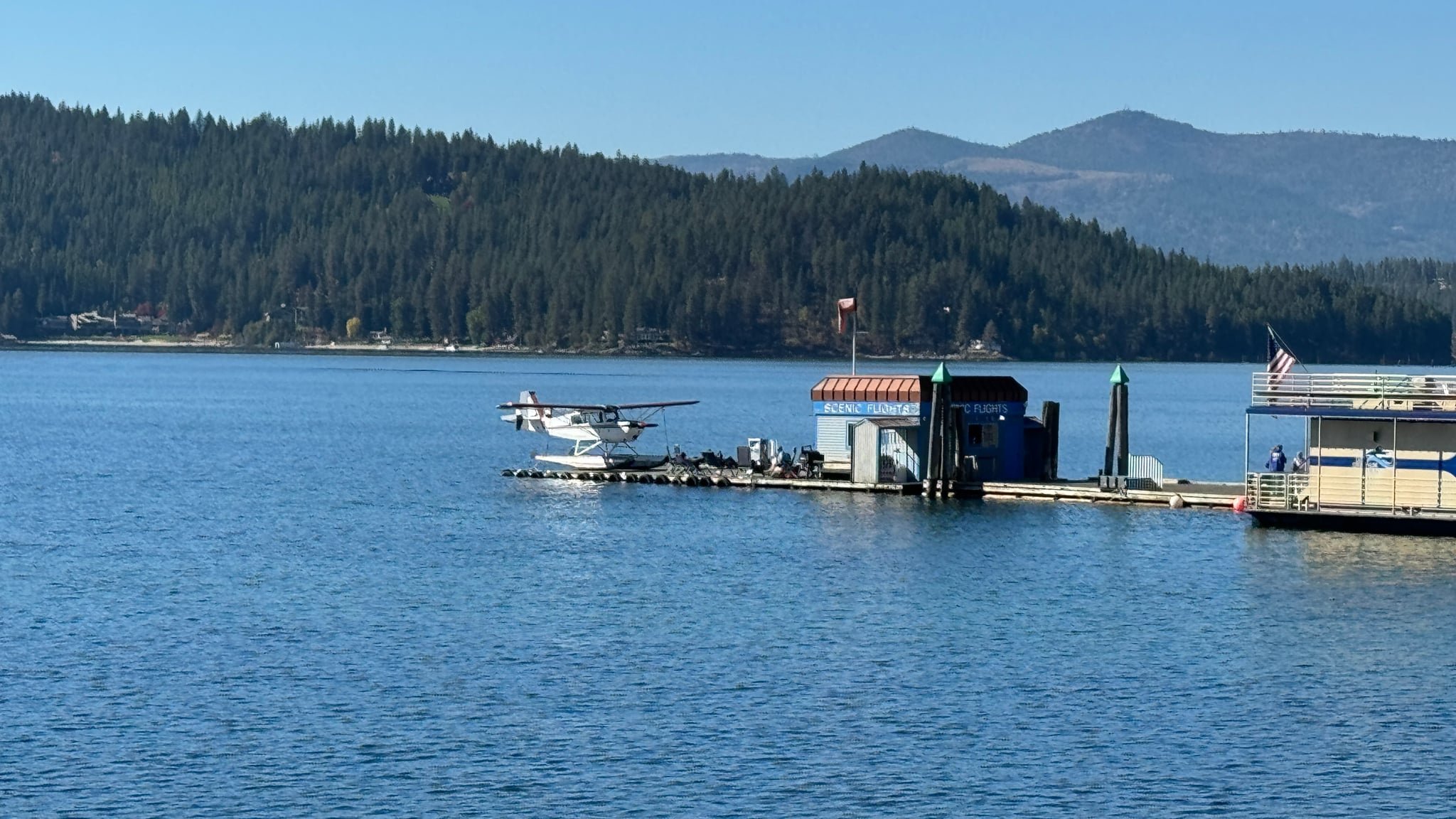
- Coeur d'Alene Lake — 25 miles long, crystal clear, and the anchor of the region's identity.
- Hayden Lake — A gem-like lake just 15 minutes north of downtown Coeur d'Alene.
- Lake Pend Oreille — Idaho's largest lake at 43 miles long, over 1,100 feet deep, and stunningly beautiful.
- Priest Lake — The "Crown Jewel of Idaho," a remote alpine lake surrounded by old-growth cedar forests.
River Valleys
The river systems here aren't just scenic — they're recreational corridors:
- Spokane River — Flows directly through Post Falls and offers urban paddling, fishing, and riverside trails.
- Coeur d'Alene River — A quieter, wilder option for floating, fishing, and kayaking.
- St. Joe River — Often called the highest navigable river in the world, it's a fly-fishing paradise.
- Clark Fork River — The major waterway of western Montana, accessible for float trips.
The Spokane Factor
One of the most overlooked advantages of the Coeur d'Alene–Post Falls position is its proximity to Spokane, Washington — a metro area of over 500,000 people — just 30 minutes to the west.
This gives Northern Idaho residents access to:
- Spokane International Airport — Direct flights to Seattle, Portland, Denver, Phoenix, Salt Lake City, Las Vegas, San Francisco, and more
- Major medical centers — Providence Sacred Heart and MultiCare are both regional trauma centers
- Big-box retail and services — Everything you need without the Idaho sales tax (take note: Idaho has sales tax, but Montana and Oregon do not — however, Idaho has no sales tax on groceries)
- Cultural amenities — The INB Performing Arts Center, Gonzaga basketball, Spokane Chiefs hockey, and a growing food scene
The dynamic is powerful: you live in a small mountain town with access to lakes, trails, and ski hills — but you're 30 minutes from a full-service city. It's the best of both worlds without compromise.
Climate Sweet Spot
The geographic position also delivers a favorable climate:
- Rain shadow benefit — Coeur d'Alene sits east of Spokane in a partial rain shadow, receiving less precipitation than the Cascades while still getting enough moisture for lush forests and green summers.
- Four distinct seasons — Not too extreme in any direction. Summers average high 70s to low 80s. Winters are cold but manageable, with reliable snow in the mountains.
- Abundant sunshine — More annual sunny days than Portland, Seattle, or even San Francisco's foggy zones.
Real Estate Implications
The geographic advantages translate directly into real estate value and lifestyle:
- Lakefront and lake-access properties across multiple lakes and price points
- Acreage properties with mountain views just minutes from town
- In-town walkability in Coeur d'Alene's vibrant downtown core
- New development in Post Falls and Rathdrum with modern amenities and family-friendly neighborhoods
- Rural homesteads for those seeking space and self-sufficiency
The range of housing options is as diverse as the geography itself. Whether you want a condo on the lake, a craftsman in town, or 20 acres in the timber, the market has it.
The Bottom Line
You can find beautiful scenery in a lot of places. You can find good skiing, or a nice lake, or fun mountain biking, in any number of regions. What makes Northern Idaho's Coeur d'Alene–Post Falls corridor exceptional isn't any single feature — it's the convergence of all of them in one compact, accessible, affordable region.
That's the geographic jackpot. And once you see it on a map — and then experience it on the ground — you'll understand why so many people are planting their basecamp here.
Explore the Map in Person
The geography makes the case better than any article can. Connect with your Relocation Scout and we'll build you a custom tour that hits every highlight the map has to offer.